

Shawn Hinchey
Broker, Hinchey Homes Real Estate Team
RECO registered, TRESA compliant, serving Durham Region since 2013
Published: April 13, 2026 · Last updated: August 6, 2026
Your parent passed, the home is in your name, and you have no idea what to do next. An estate lawyer walked you through the will, a siblings text chain is full of opinions, and now you are the executor. This guide is for you.
Your parent passed. The home is in your name, or about to be. An estate lawyer walked you through the will, the siblings text chain is full of opinions, and now you are the executor. You did not plan for this, you are still grieving, and real estate is the thing in your inbox with the most zeros on it.
This guide is for you. Every year in Durham Region, homes are sold as part of an estate by adult children who become accidental real estate experts overnight. Most of them make the same three avoidable mistakes. We wrote this guide so you do not have to.
Step 1: Get clarity on who actually owns the home
Before anything else, confirm with the estate lawyer whether the home passed directly to you and your siblings (joint tenancy, right of survivorship, registered directly to a beneficiary), or whether it sits inside the estate and needs to be probated before anyone can sell it.
If the home needs probate, the Ontario Estate Administration Tax adds approximately 1.5% of the home's value to the process, and probate typically takes 3 to 6 months. You cannot legally sell the home until probate is granted. Knowing this early avoids painful surprises.
Step 2: Do not list the home as-is just to get it off your plate
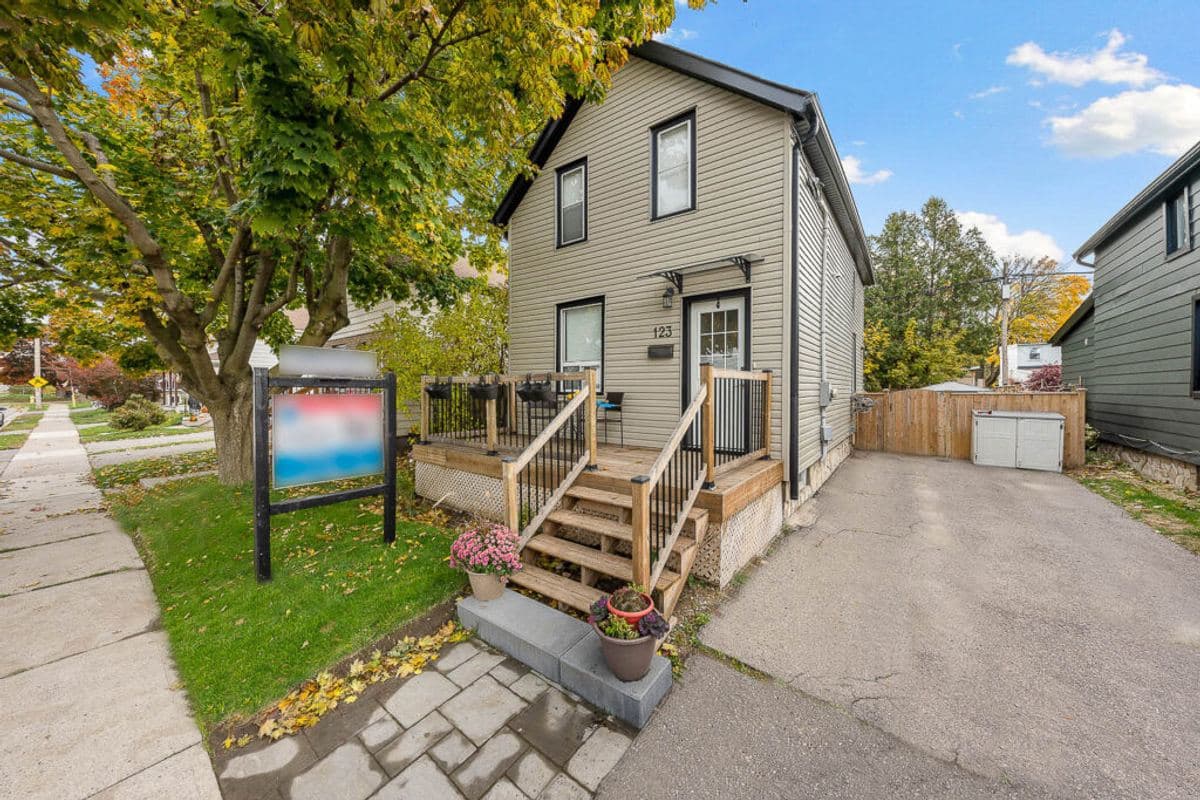
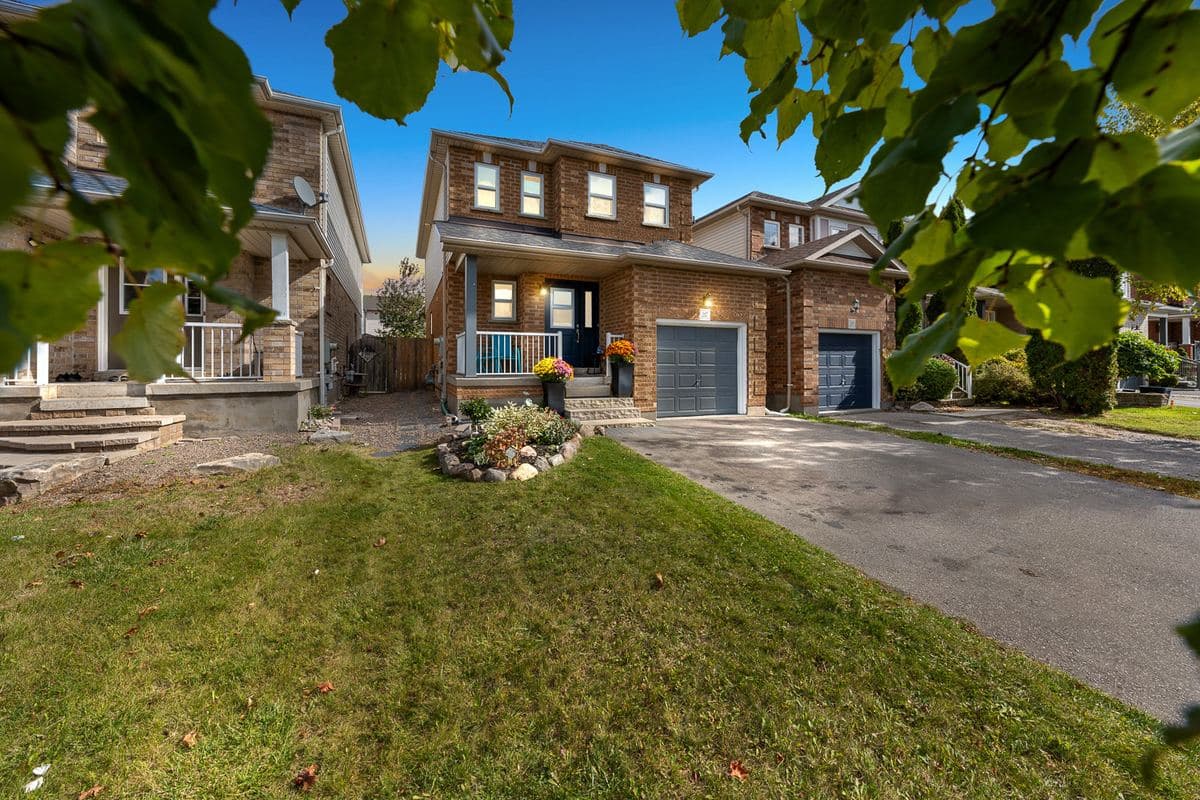
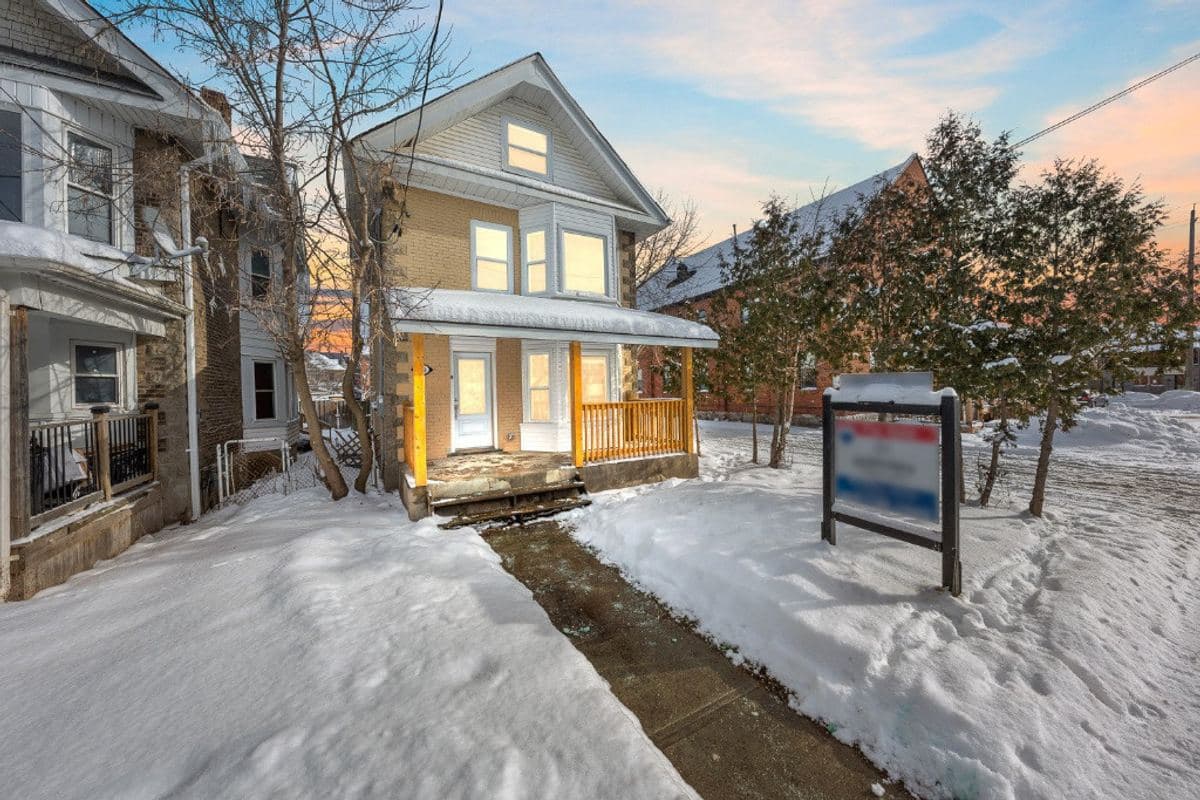
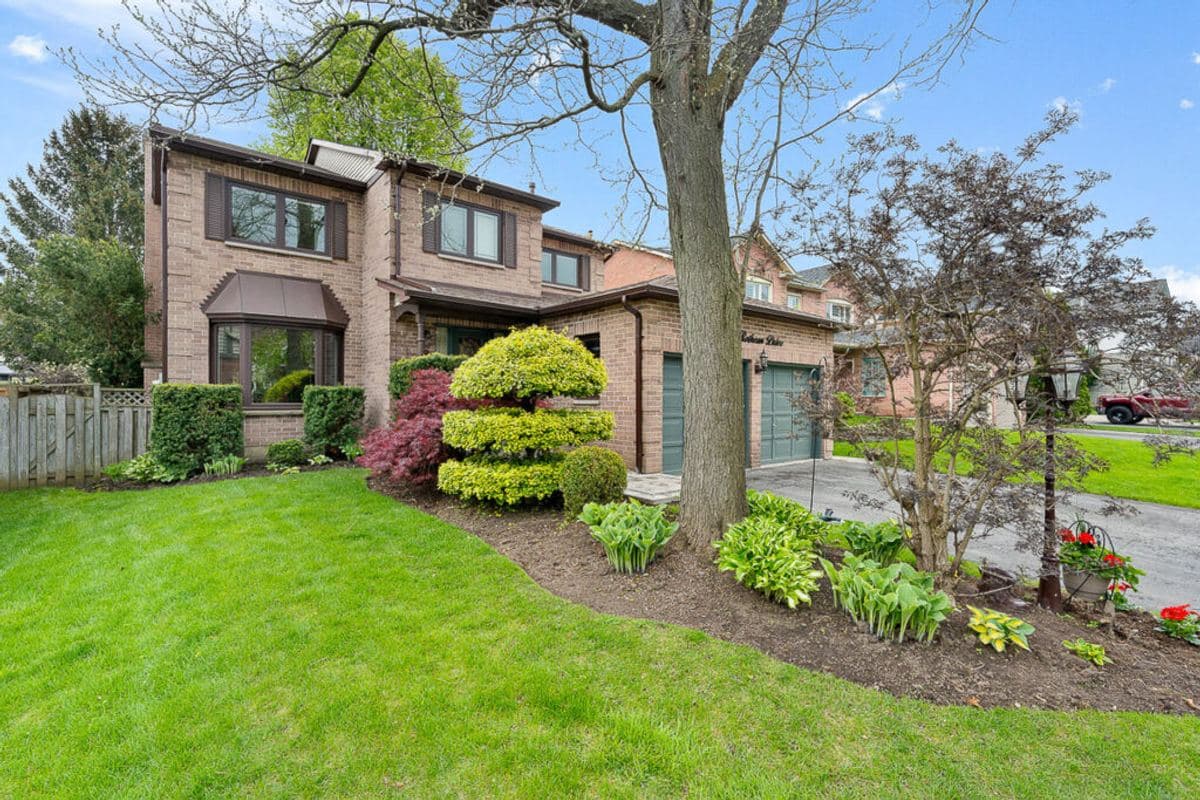
This is the biggest mistake executors make. Grief plus decision fatigue plus sibling pressure leads almost everyone to the fastest possible exit: list it as-is, accept an offer from an investor, take the money, move on. The problem is that investors bid below market on purpose, and dated homes sell at a discount that is consistently $100,000 to $300,000 below what the same home would fetch after a strategic renovation.
We built Renos for Revenue specifically for this moment. We fund the renovation, manage every contractor, and collect payment only at closing from the proceeds of the sale. Zero upfront cost. Zero project management burden on you. Our own results make the case: across our 18 completed Renos for Revenue projects (analyzed July 2026), the median project returned $1.95 in gross sale-price lift for every renovation dollar, with a median profit of 95% on renovation cost. For inherited homes with renovation upside, this is the single most important decision the executor will make.
Step 3: Document everything for the other beneficiaries
Even when siblings are getting along, the moment real estate is involved things get tense. The way you protect yourself as executor is through documentation. Every professional opinion (CMA, appraisal, renovation estimates) should be in writing. Every decision should be recorded with the rationale. Every offer should be presented to all beneficiaries in writing before acceptance.
We provide executors with a written summary after every significant decision point, specifically so you have a paper trail that protects you from claims of mismanagement. This is part of how we work with executors by default, not an add-on.
Step 4: Understand the tax implications
Inherited homes in Ontario receive a 'stepped-up' cost basis at the date of death. This means capital gains are calculated from the date of death, not from what your parent originally paid. In most cases, if you sell within 12 to 18 months of the date of death, the capital gains tax owed is minimal or zero, because the home's value at death is essentially the same as the sale price.
Always consult an accountant before making sale-timing decisions. The estate may also be eligible for the principal residence exemption if certain conditions are met. This is not legal or tax advice, but it is the conversation every executor should have before listing.
Step 5: Choose a team that has done this before
The regular real estate process is not built for executors. Showing feedback, contractor coordination, staging logistics, sibling communication, legal paperwork, probate timing, all of it lands on your plate at a time when you are already stretched thin. You need a team that has done this dozens of times and can take the entire process off your desk.
If you are managing a parent's home and do not know where to start, please call us. There is no pressure, no commitment, and no cost for the initial consultation. We will tell you the truth about what the home is worth as-is, what it could be worth after renovation, and what we would do if we were in your position.
“For inherited homes with renovation upside, the single most important decision is whether to list as-is or renovate first. Our 18 completed projects point firmly in one direction: the median returned $1.95 in sale-price lift for every renovation dollar.”
Shawn Hinchey
Broker, Hinchey Homes Real Estate Team
RECO registered, TRESA compliant, serving Durham Region since 2013
Published: April 13, 2026 · Last updated: August 6, 2026