

Shawn Hinchey
Broker, Hinchey Homes Real Estate Team
RECO registered, TRESA compliant, serving Durham Region since 2013
Published: April 13, 2026
Ajax and Pickering sit side by side in west Durham, but their real estate markets have distinct personalities. Here is how they compare for buyers and sellers.
Two Neighbours, Two Different Markets
Ajax and Pickering share a border, similar demographics, and comparable commute times to Toronto. From the outside, they look interchangeable. But dig into the real estate data and talk to buyers who are choosing between the two, and meaningful differences emerge in pricing, housing stock, growth trajectories, and lifestyle.
Whether you are buying your first home, upgrading, or selling and wondering which community's market conditions favour you, this comparison will help you make an informed decision.
Pricing: Pickering Commands a Premium
Pickering's average home prices run roughly 5 to 10 percent higher than Ajax across most property types. For detached homes, this translates to a difference of approximately $40,000 to $80,000. The premium reflects Pickering's larger commercial and employment base, its older established neighbourhoods with mature trees and larger lots, and the perception (fair or not) that Pickering is the more established of the two communities.
Ajax offers better value per square foot, particularly in newer subdivisions in the north end near Salem and Audley. For buyers stretching their budget, Ajax often delivers more house for the money. For sellers, the Pickering premium means equity gains tend to be slightly stronger over long holding periods.
Housing Stock and Neighbourhoods
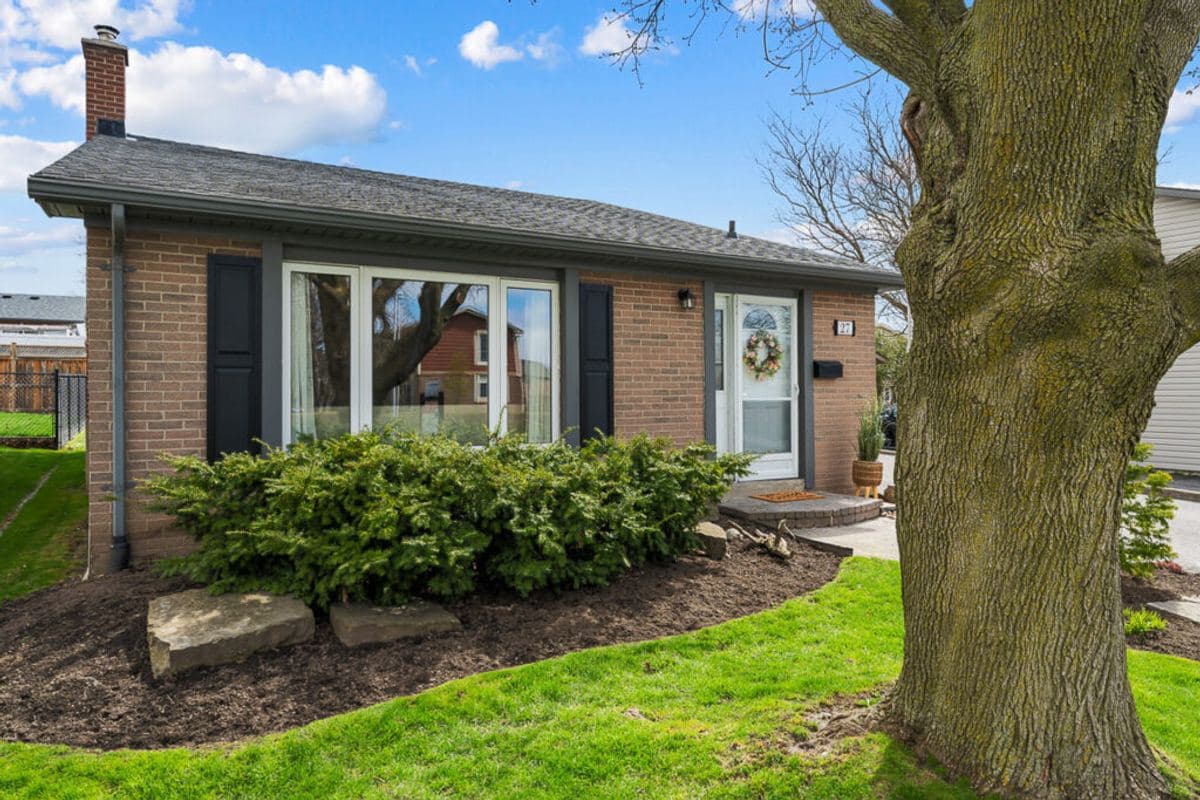
Pickering's housing stock is more varied. The south end near the waterfront has modest bungalows from the 1950s and 1960s, many of which are being renovated or replaced. The central area (Rougemount, Brock Ridge) features established 1980s and 1990s homes on generous lots. The north end (Seaton) is a massive planned community bringing thousands of new homes over the coming years.
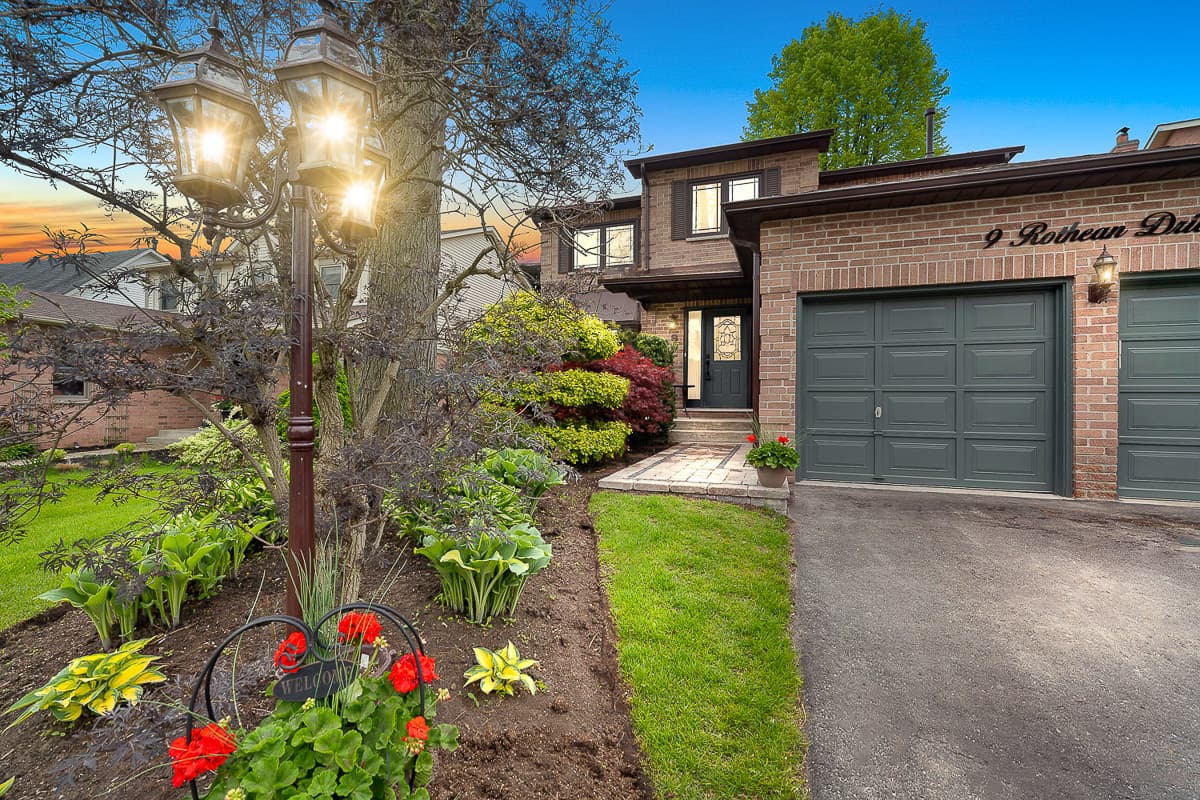
Ajax has a somewhat newer overall profile. The south end near the lake has older homes with character, while the central and north areas are dominated by 1990s to 2010s subdivisions. The newer stock means less immediate renovation need for buyers, but also less character and lot diversity compared to Pickering's older neighbourhoods. Both communities have strong school options and well-maintained parks.
Transit and Commuting
Both Ajax and Pickering have GO Transit stations on the Lakeshore East line, making commuting to downtown Toronto straightforward. The Pickering GO Station tends to be slightly faster to Union Station due to its position on the line, but the difference is marginal (roughly five minutes). Both stations have parking lots that fill early, so many commuters walk, bike, or get dropped off.
Highway access is similar for both communities via the 401. Pickering benefits from its proximity to the 407 interchange, which is valuable for commuters heading to employment hubs in Markham, Vaughan, or Brampton. Ajax's access to the 401 and 412 is also strong, making it well-positioned for east-west commuting.
Growth and Future Development
Pickering's growth story is dominated by two factors: the Seaton community (one of the largest planned developments in Canada) and the ongoing discussion about the future of the Pickering Airport lands. If the airport lands are repurposed for mixed-use development rather than an airport, it could add enormous value to surrounding properties. This uncertainty creates both opportunity and risk for buyers and investors.
Ajax's growth is more incremental and predictable. Infill development, townhome projects, and gradual densification along the Kingston Road and Bayly Street corridors are adding housing supply without the transformative land-use questions that Pickering faces. For buyers who prefer certainty, Ajax's growth trajectory is easier to project.
Which Should You Choose?
For buyers, the choice comes down to priorities. If you want more house for your money and newer construction, Ajax is likely the better fit. If you value established neighbourhoods, slightly higher long-term appreciation potential, and are comfortable paying a premium, Pickering deserves strong consideration.
For sellers in either community, the key is accurate pricing based on your specific neighbourhood, not municipal averages. A home in south Ajax and a home in north Pickering are in very different micro-markets, and pricing strategy should reflect that. If you want a detailed analysis of your property's value in the context of the Ajax-Pickering market, we are happy to provide one.
“Ajax often delivers more house for the money. For sellers, the Pickering premium means equity gains tend to be slightly stronger over long holding periods.”
Shawn Hinchey
Broker, Hinchey Homes Real Estate Team
RECO registered, TRESA compliant, serving Durham Region since 2013
Published: April 13, 2026